Easy Dinner Recipes with Frozen Vegetables: Quick, Delicious, and Budget-Friendly Meals
Finding time to prepare a homemade dinner can be difficult after a long day. Between work, family responsibilities, and everyday tasks, spending hours in the kitchen is not always practical. Fortunately, easy dinner recipes with frozen vegetables make it possible to prepare satisfying, flavorful meals without spending too much time or money.
Frozen vegetables are convenient, affordable, and easy to keep on hand. Whether you have frozen broccoli, peas, carrots, corn, green beans, or a mixed vegetable blend, you can turn these simple ingredients into a delicious dinner. They work well in chicken skillets, fried rice, pasta dishes, casseroles, soups, and many other family-friendly recipes.
One of the best things about cooking with frozen vegetables is that you do not need to wash, peel, or chop them. Most are ready to cook straight from the freezer, making them ideal for busy weeknights when you want something homemade without unnecessary preparation.
In this guide, you will discover easy dinner ideas with frozen vegetables, practical cooking tips, simple ingredient combinations, and recipes that can help you make the most of the ingredients already in your kitchen.
Why Use Frozen Vegetables for Dinner?
Frozen vegetables are one of the most useful ingredients to keep in your freezer. They are generally harvested and frozen soon after harvesting, which helps preserve their nutrients and quality. Depending on the vegetable and how it is prepared, frozen produce can be comparable in nutritional value to fresh produce.
Here are some reasons to include them in your regular dinner routine.
1. They Save Preparation Time
Preparing fresh vegetables often involves washing, peeling, trimming, and chopping. Frozen vegetables eliminate most of these steps. Simply measure the amount you need and add it to your pan, pot, or baking dish.
This convenience makes it easier to prepare a balanced meal even when you have limited time.
2. They Are Budget-Friendly
Frozen vegetables can help reduce food waste because you can use only what you need and return the rest to the freezer. You also do not have to worry as much about fresh produce spoiling before you have a chance to cook it.
Buying larger bags of frozen vegetables can be especially useful for families who prepare homemade dinners several times a week.
3. They Work in Many Different Recipes
Frozen vegetables are not limited to side dishes. You can add them to rice, noodles, pasta, chicken, eggs, soups, and stews.
A bag of mixed vegetables can become the foundation for several different dinners, depending on the seasonings and protein you choose.
4. They Make Weeknight Cooking Easier
When your freezer is stocked with vegetables, you always have a starting point for dinner. Combine them with rice, potatoes, pasta, beans, or chicken to create a meal without making a separate trip to the grocery store.
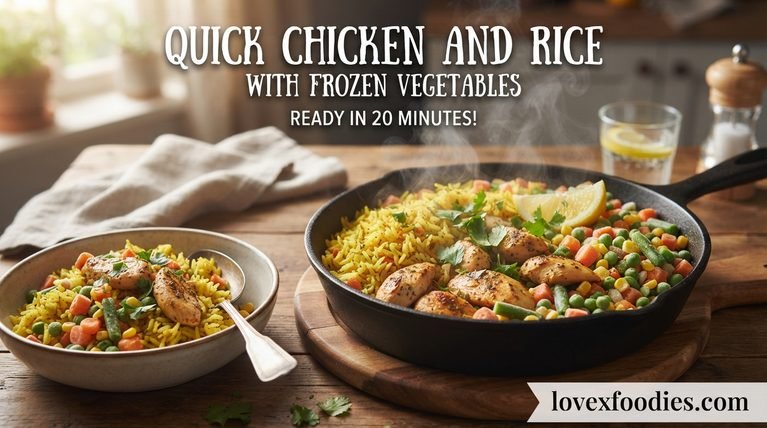
1. One-Pan Chicken and Frozen Vegetables
One-pan chicken and vegetables is a simple dinner that combines tender chicken with colorful vegetables and everyday seasonings. It is a practical choice when you want a filling meal without creating a sink full of dishes.
Preparation time: 10 minutes
Cooking time: 20–25 minutes
Servings: 4
Ingredients
- 1 pound boneless, skinless chicken breast, cut into bite-sized pieces
- 2 cups frozen mixed vegetables
- 1 small onion, chopped
- 2 tablespoons cooking oil
- 2 cloves garlic, minced
- 1 teaspoon paprika
- 1/2 teaspoon black pepper
- 1/2 teaspoon salt, or to taste
- 1/2 teaspoon dried oregano
- 1/4 cup chicken broth or water
Instructions
- Heat the oil in a large skillet over medium heat.
- Add the chopped onion and cook for two to three minutes until softened.
- Add the chicken pieces, garlic, paprika, black pepper, salt, and oregano.
- Cook the chicken, stirring occasionally, until the outside is lightly browned.
- Add the frozen mixed vegetables and chicken broth or water.
- Cover the skillet and cook until the vegetables are tender and the chicken reaches an internal temperature of 165°F (74°C).
- Remove the lid and cook for another two minutes if you want to reduce excess liquid.
Serve this easy chicken dinner with steamed rice, mashed potatoes, or warm bread.
Helpful tip: Cut the chicken into evenly sized pieces so it cooks consistently. If the vegetables release a lot of water, uncover the pan near the end to help the liquid evaporate.
2. Easy Vegetable Fried Rice
Vegetable fried rice is an excellent way to turn leftover rice and frozen vegetables into a complete dinner. It is inexpensive, customizable, and usually ready in less than 20 minutes.
Ingredients
- 3 cups cooked, chilled rice
- 2 cups frozen mixed vegetables
- 2 eggs, lightly beaten
- 2 tablespoons cooking oil
- 2 tablespoons soy sauce
- 2 cloves garlic, minced
- 2 green onions, sliced, optional
- Black pepper to taste
Instructions
- Heat one tablespoon of oil in a large skillet or wok.
- Add the eggs and scramble until fully cooked. Transfer them to a plate.
- Add the remaining oil, followed by the garlic and frozen vegetables.
- Cook for four to six minutes, stirring frequently, until the vegetables are hot and tender.
- Add the chilled rice and break up any large clumps.
- Pour in the soy sauce and stir everything together.
- Return the scrambled eggs to the pan and mix well.
- Add black pepper and green onions before serving.
You can add cooked chicken, shrimp, tofu, or beans to make the dish more substantial.
For the best texture, use rice that has been cooked and refrigerated ahead of time. Cool leftover rice promptly, refrigerate it within two hours, and reheat it thoroughly until steaming hot. Avoid leaving cooked rice at room temperature for extended periods.
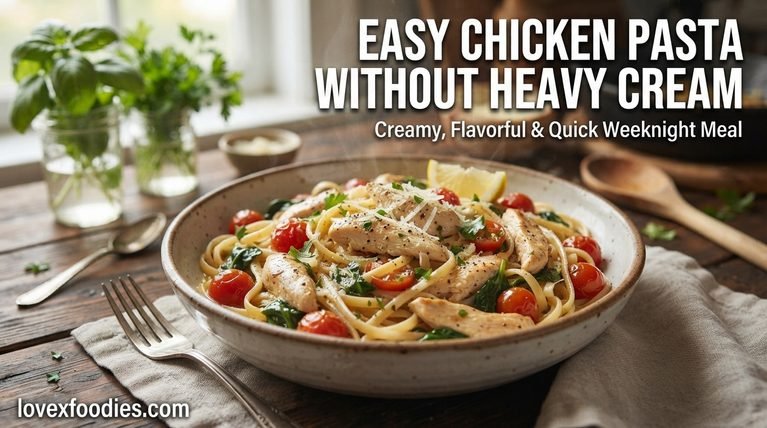
3. Creamy Chicken Pasta with Frozen Vegetables
Creamy chicken pasta is a comforting dinner that combines pasta, tender chicken, and colorful vegetables in a smooth sauce. Frozen peas, broccoli, and mixed vegetables all work well in this recipe.
Ingredients
- 8 ounces pasta
- 1 pound boneless chicken breast, cut into small pieces
- 1 1/2 cups frozen vegetables
- 1 tablespoon olive oil or cooking oil
- 2 cloves garlic, minced
- 1 cup milk
- 1/2 cup grated Parmesan cheese
- 1 tablespoon flour
- Salt and black pepper to taste
- 1/2 teaspoon Italian seasoning
Instructions
- Cook the pasta according to the package directions. Reserve half a cup of pasta water before draining.
- Heat the oil in a skillet and cook the chicken with salt, pepper, and Italian seasoning until it reaches 165°F (74°C).
- Add the garlic and cook for approximately 30 seconds.
- Add the frozen vegetables and cook until heated through.
- Whisk the flour into the milk in a separate cup until smooth.
- Pour the milk mixture into the skillet, stirring continuously.
- Simmer gently until the sauce thickens.
- Stir in the Parmesan cheese and cooked pasta.
- Add a little reserved pasta water if the sauce becomes too thick.
This recipe creates a creamy dinner without requiring complicated ingredients. You can substitute half-and-half for some of the milk if you prefer a richer sauce.
4. Quick Beef and Frozen Vegetable Stir-Fry
Beef and vegetable stir-fry is ideal when you want a flavorful dinner with plenty of texture. Frozen broccoli, carrots, bell peppers, and snap peas are particularly good choices.
Ingredients
- 1 pound thinly sliced beef
- 2 cups frozen stir-fry vegetables
- 2 tablespoons cooking oil
- 3 tablespoons soy sauce
- 1 tablespoon honey
- 2 cloves garlic, minced
- 1 teaspoon grated ginger, optional
- 1 teaspoon cornstarch mixed with 2 tablespoons water
- Cooked rice for serving
Instructions
- Heat one tablespoon of oil in a large skillet over medium-high heat.
- Add the beef in a single layer and cook until browned and safely cooked through. Work in batches if necessary.
- Transfer the beef to a plate.
- Add the remaining oil and cook the frozen vegetables until hot and tender.
- Stir together the soy sauce, honey, garlic, ginger, and cornstarch mixture.
- Return the beef to the skillet and pour in the sauce.
- Stir for one to two minutes until the sauce thickens and coats the ingredients.
Serve over rice or noodles for a satisfying homemade dinner.
Variation: Replace the beef with chicken, tofu, or thinly sliced mushrooms. You can also add chili flakes if you prefer a little heat.
5. Easy Frozen Vegetable Soup
Vegetable soup is a comforting option for cold evenings, light dinners, or days when you want to use up ingredients in your kitchen. Frozen vegetables make the preparation especially simple.
Ingredients
- 3 cups frozen mixed vegetables
- 1 medium potato, diced
- 1 small onion, chopped
- 2 cloves garlic, minced
- 5 cups vegetable or chicken broth
- 1 tablespoon cooking oil
- 1/2 teaspoon dried thyme
- Salt and black pepper to taste
- 1/2 cup cooked beans, optional
Instructions
- Heat the oil in a large pot over medium heat.
- Add the onion and cook until softened.
- Stir in the garlic and thyme.
- Add the diced potato, frozen vegetables, and broth.
- Bring the mixture to a boil, then reduce the heat.
- Simmer for 15–20 minutes, or until the potato and vegetables are tender.
- Stir in the cooked beans if using.
- Taste and adjust the seasoning before serving.
For a thicker soup, mash a few pieces of potato against the side of the pot. You can also blend a portion of the soup and return it to the pot.
Serve with toasted bread or a simple sandwich to make the meal more filling.
6. Cheesy Chicken and Vegetable Casserole
A chicken and vegetable casserole is an easy dinner option when you want a warm, satisfying dish that can feed the whole family. It is also useful for meal preparation because the ingredients can be assembled ahead of time.
Ingredients
- 2 cups cooked, shredded chicken
- 2 cups frozen mixed vegetables
- 2 cups cooked rice
- 1 cup milk
- 1 cup shredded cheddar cheese
- 1/2 cup chicken broth
- 1 teaspoon garlic powder
- 1/2 teaspoon black pepper
- Salt to taste
Instructions
- Preheat the oven to 375°F (190°C).
- Combine the shredded chicken, frozen vegetables, cooked rice, milk, chicken broth, garlic powder, pepper, and half the cheese in a large bowl.
- Transfer the mixture to a lightly greased baking dish.
- Sprinkle the remaining cheese over the top.
- Bake for 25–35 minutes, until the casserole is hot throughout and bubbling around the edges.
- Check that the center reaches 165°F (74°C) before serving.
Let the casserole rest for five minutes before spooning it onto plates.
For extra flavor, add a little paprika, dried parsley, or a small amount of grated Parmesan cheese.
7. Garlic Butter Shrimp with Frozen Vegetables
Garlic butter shrimp is a quick dinner that feels special without requiring a long list of ingredients. Frozen broccoli, peas, or a vegetable medley pairs nicely with the shrimp.
Ingredients
- 1 pound peeled and deveined shrimp
- 2 cups frozen vegetables
- 2 tablespoons butter
- 1 tablespoon olive oil
- 3 cloves garlic, minced
- 1 tablespoon lemon juice
- Salt and black pepper to taste
- 1/2 teaspoon paprika
- Cooked rice or pasta for serving
Instructions
- Heat the olive oil and one tablespoon of butter in a large skillet.
- Add the garlic and cook briefly until fragrant.
- Add the frozen vegetables and cook until heated through.
- Push the vegetables to one side of the pan and add the shrimp.
- Season with paprika, salt, and pepper.
- Cook until the shrimp are opaque and firm, reaching 145°F (63°C).
- Stir in the remaining butter and lemon juice.
- Toss everything together and serve immediately.
Pair this dish with rice, pasta, or crusty bread to soak up the garlic butter sauce.
8. Easy Vegetable and Bean Skillet
If you want a meatless dinner, a vegetable and bean skillet is a practical choice. Beans provide protein and fiber, while frozen vegetables add color and variety.
Ingredients
- 2 cups frozen mixed vegetables
- 1 can black beans or kidney beans, drained and rinsed
- 1 small onion, chopped
- 1 can diced tomatoes
- 1 tablespoon cooking oil
- 1 teaspoon paprika
- 1/2 teaspoon cumin
- 1/2 teaspoon garlic powder
- Salt and black pepper to taste
Instructions
- Heat the oil in a large skillet.
- Add the onion and cook until softened.
- Stir in the frozen vegetables and cook for four to five minutes.
- Add the drained beans, diced tomatoes, paprika, cumin, garlic powder, salt, and pepper.
- Simmer for 10–15 minutes, stirring occasionally.
- Taste and adjust the seasoning.
Serve the skillet with rice, tortillas, baked potatoes, or toasted bread.
For a spicy variation, add chili powder or chopped jalapeños. For a milder version, use sweet paprika and a little oregano.
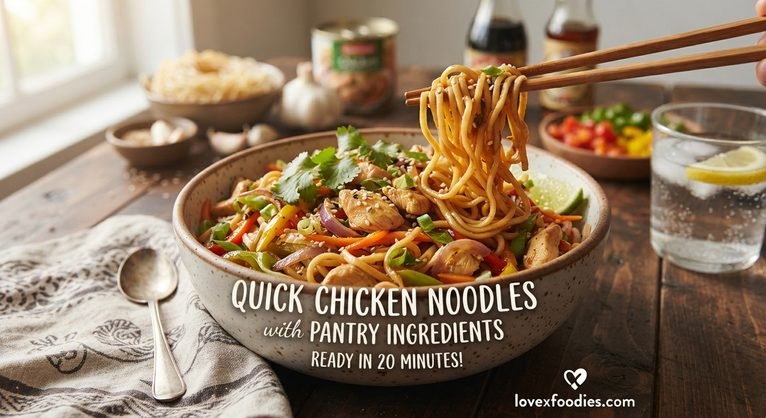
9. Simple Vegetable Noodles
Vegetable noodles are a convenient alternative to takeout when you want a quick homemade dinner. They work with spaghetti, egg noodles, ramen-style noodles, or rice noodles.
Ingredients
- 8 ounces noodles
- 2 cups frozen mixed vegetables
- 2 tablespoons cooking oil
- 2 cloves garlic, minced
- 2 tablespoons soy sauce
- 1 tablespoon oyster sauce, optional
- 1 teaspoon sesame oil, optional
- Black pepper to taste
Instructions
- Cook the noodles according to the package directions and drain them.
- Heat the cooking oil in a large skillet.
- Add the garlic and frozen vegetables.
- Cook until the vegetables are tender and hot.
- Add the noodles, soy sauce, and oyster sauce if using.
- Toss everything together until evenly coated.
- Finish with sesame oil and black pepper.
Add scrambled eggs, leftover chicken, or tofu to make the noodles more filling. A squeeze of lime or a sprinkle of green onions can also brighten the flavor.
10. Baked Sausage and Frozen Vegetables
Baked sausage and vegetables is a low-effort dinner that requires very little active cooking. It is especially useful when you want to prepare several portions at once.
Ingredients
- 4 fully cooked sausages, sliced
- 3 cups frozen vegetables
- 2 medium potatoes, diced into small pieces
- 2 tablespoons olive oil
- 1 teaspoon paprika
- 1/2 teaspoon garlic powder
- Salt and black pepper to taste
Instructions
- Preheat the oven to 400°F (200°C).
- Toss the diced potatoes with one tablespoon of oil and the seasonings.
- Spread the potatoes on a baking sheet and roast for about 15 minutes.
- Add the sliced sausages and frozen vegetables, tossing with the remaining oil.
- Roast for another 15–20 minutes, stirring once during cooking.
- Check that the potatoes are tender and the sausages are heated according to their package instructions.
Frozen vegetables can release moisture, so spread the ingredients across the pan rather than piling them too deeply. If needed, roast a little longer to improve browning.
How to Cook Frozen Vegetables Without Making Them Soggy
One common problem with frozen vegetables is that they sometimes become soft or watery. Fortunately, a few simple techniques can improve their texture.
Cook Them Over Medium-High Heat
A hot skillet helps moisture evaporate more quickly. Avoid overcrowding the pan, particularly when cooking broccoli, cauliflower, or mixed vegetables.
Do Not Thaw Them Unnecessarily
Most frozen vegetables can be cooked directly from frozen. Thawing them first may release extra moisture, which can affect their texture.
Follow package instructions for vegetables that require a particular cooking method.
Add Seasonings at the Right Time
Garlic, black pepper, paprika, herbs, and other seasonings can improve the flavor of frozen vegetables. Add delicate ingredients such as fresh garlic near the beginning of cooking, but avoid letting them burn.
Salt can draw out moisture, so adjust seasoning as the vegetables cook rather than adding large amounts at once.
Choose the Right Cooking Method
Different cooking methods suit different vegetables.
- Skillet: Best for stir-fries, fried rice, and quick vegetable dishes.
- Oven: Useful for roasting vegetables alongside potatoes or sausages.
- Steaming: Helps vegetables retain moisture without requiring much oil.
- Soup pot: Ideal for mixed vegetables, beans, and broth-based meals.
- Air fryer: Suitable for certain vegetables when cooked in a single layer and according to appliance instructions.
Best Frozen Vegetables to Keep in Your Freezer
Keeping a few versatile varieties on hand makes dinner planning easier.
Frozen broccoli: Works well with chicken, pasta, cheese sauces, and rice bowls.
Frozen peas and carrots: Excellent for fried rice, soups, casseroles, and quick skillet meals.
Frozen corn: Adds sweetness to chicken dishes, bean skillets, soups, and rice.
Frozen green beans: Pair nicely with garlic, butter, chicken, and beef.
Frozen spinach: Useful in pasta, omelets, soups, and creamy skillet recipes.
Frozen stir-fry blends: Convenient for noodles, beef stir-fries, and quick Asian-inspired dinners.
Frozen mixed vegetables: A versatile option for casseroles, rice dishes, soups, and one-pan meals.
When possible, choose plain frozen vegetables without added sauces or excessive sodium. This gives you more control over the flavor and nutritional content of your dinner.
Tips for Making Frozen Vegetable Dinners More Filling
Frozen vegetables are a useful foundation, but adding other ingredients can turn them into a complete meal.
Add a Protein Source
Chicken, eggs, shrimp, lean beef, tofu, lentils, and beans can make vegetable-based dinners more satisfying. Choose the protein that best fits your budget and cooking time.
Include Rice, Pasta, or Potatoes
Rice and pasta are convenient pantry staples that pair well with almost any vegetable blend. Potatoes are another affordable option for skillet meals and casseroles.
Use Flavorful Sauces
Soy sauce, tomato sauce, broth, yogurt-based sauces, and simple garlic butter can transform ordinary vegetables into a flavorful dinner.
Use sauces in moderation and adjust their salt content to suit your preferences.
Prepare Extra Portions
Many recipes can be doubled to provide leftovers for the next day. Store cooked food in shallow containers and refrigerate within two hours. Use refrigerated leftovers within three to four days and reheat them to 165°F (74°C).
If you want to freeze a finished meal, cool it promptly, package it securely, and label the container with the date.
Frequently Asked Questions
Are frozen vegetables healthy for dinner?
Yes. Plain frozen vegetables can be a nutritious part of a balanced diet. They provide vitamins, minerals, and fiber, although the exact nutritional content varies by vegetable and preparation method. Pair them with a protein source and a suitable carbohydrate for a more complete meal.
What is the easiest dinner to make with frozen vegetables?
Vegetable fried rice, chicken and vegetable skillet, and simple vegetable noodles are among the easiest options. They use common ingredients and require relatively little preparation.
Can I cook frozen vegetables without thawing them first?
Yes. Most frozen vegetables can be added directly to a hot skillet, soup, casserole, or other dish. Cooking them from frozen is often more convenient and can help preserve their texture.
How can I make frozen vegetables taste better?
Season them with garlic, black pepper, paprika, herbs, lemon juice, or a little olive oil. You can also combine them with flavorful proteins, sauces, and grains to create a balanced meal.
Can I use frozen vegetables in one-pot dinners?
Absolutely. Frozen vegetables are suitable for many one-pot recipes, including chicken and rice, vegetable soup, pasta dishes, and bean skillets. Add them at the appropriate stage so they cook through without becoming excessively soft.
What can I make with frozen vegetables and no meat?
You can prepare vegetable fried rice with eggs, bean and vegetable skillet, vegetable noodles, lentil soup, or a vegetable pasta dish. Beans, lentils, eggs, and tofu are useful meat-free protein options.
Should I use fresh or frozen vegetables?
Both can be good choices. Fresh vegetables are excellent when available and convenient, while frozen vegetables are especially practical when you want to save preparation time, reduce waste, or keep ingredients available for last-minute dinners.
Final Thoughts
Preparing dinner does not need to be complicated or expensive. With a few bags of frozen vegetables and some basic pantry ingredients, you can create a wide variety of delicious homemade meals.
From one-pan chicken and vegetables to vegetable fried rice, creamy pasta, beef stir-fry, and comforting soup, these easy dinner recipes with frozen vegetables offer practical solutions for busy weeknights.
The secret is to keep your freezer stocked with versatile vegetables, choose a protein or another filling ingredient, and use seasonings that suit your taste. You do not need an elaborate recipe or a long shopping list to prepare something satisfying.
Start with whichever ingredients you already have at home, experiment with different combinations, and save the recipes your family enjoys most. With a little planning, frozen vegetables can make homemade dinners quicker, easier, and more affordable throughout the week.